


WATER
NETWORKS
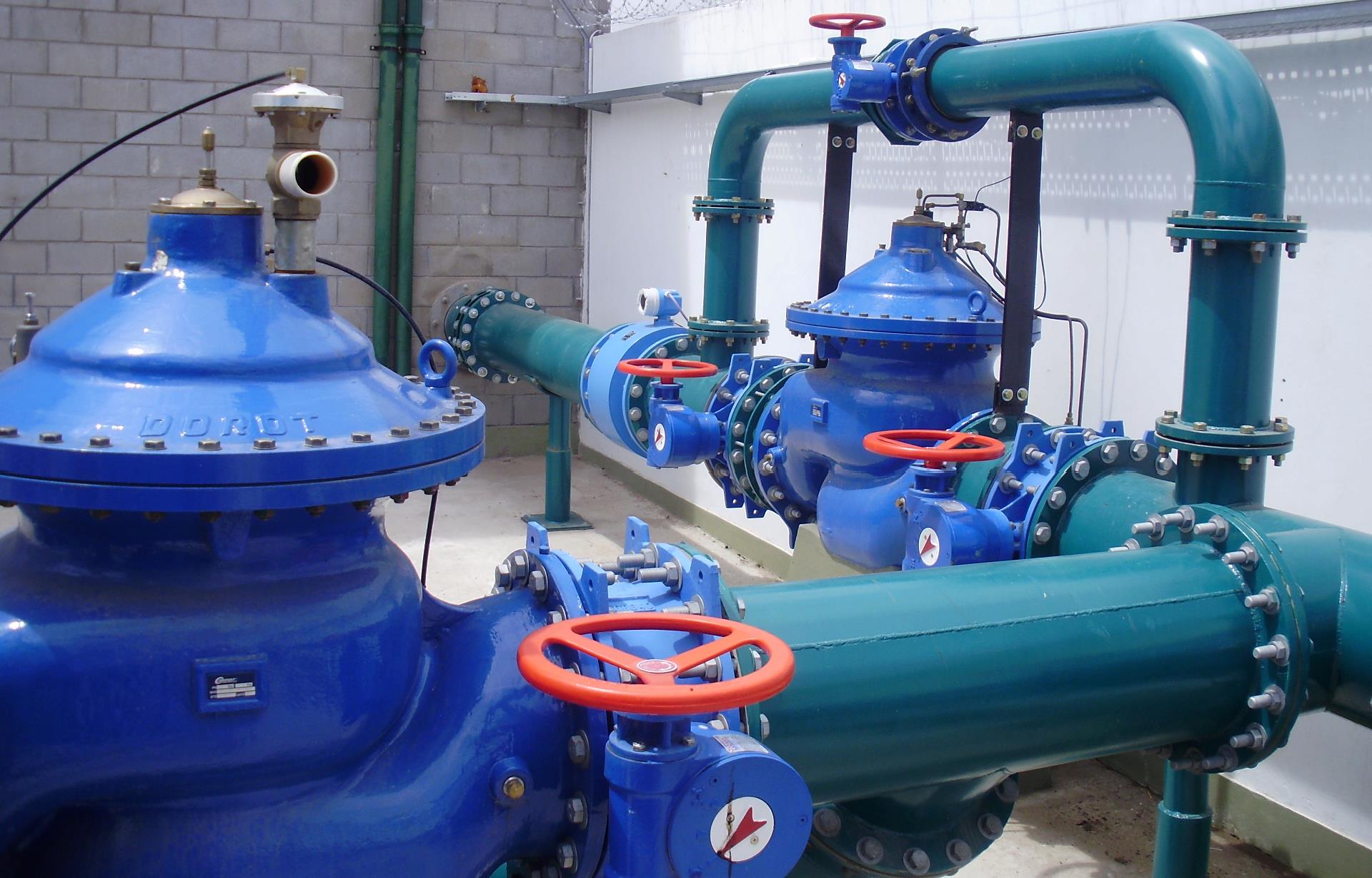
Reliable water distribution depends on a coordinated network of pipelines, valves, chambers, tanks and hydraulic control components. RAM ARBIA delivers water network infrastructure focused on dependable flow, pressure control, leakage prevention, maintainability and long-term system performance.
Infrastructure that
keeps water moving.
Water networks connect supply sources with developments, facilities and distribution points. Pipeline routing, pressure requirements, valves, tanks and network interfaces must work together as one hydraulic system.
RAM ARBIA coordinates water infrastructure with civil works, underground routes, chambers, control components and project requirements to support reliable distribution and long-term network operation.
Deliver the right flow
at the right pressure.
A water network performs successfully when hydraulic requirements, pipeline capacity, pressure control, material quality and network accessibility are coordinated from the beginning.
Network infrastructure coordinated around expected water demand and distribution.
Valves and hydraulic components support controlled operating pressures.
Correct installation and network testing support long-term system integrity.
Network materials and installation considered around intended water service.
Valves and chambers positioned to support inspection and future maintenance.
Infrastructure considered around future distribution and development requirements.
Integrated water
infrastructure.
Water networks require coordination between hydraulic requirements, pipeline materials, civil construction, valves, chambers, tanks and testing activities.
Water Network Planning
Routes, distribution requirements and hydraulic interfaces coordinated early.
Underground Pipelines
Installation of underground water distribution routes and associated works.
Valves & Regulators
Network control components supporting isolation and pressure management.
Chambers & Access Points
Civil structures supporting valves, network access and maintenance.
Tanks & Storage Interfaces
Network connections coordinated with storage and supply requirements.
Thrust Blocks & Supports
Supporting civil works coordinated around pipeline fittings and hydraulic forces.
Civil & Utility Interfaces
Coordination with roads, structures, crossings and other utility networks.
Testing & Handover
Network inspection and testing coordinated toward reliable final operation.
Source to user.
One coordinated network.
Water delivery relies on a continuous hydraulic path from supply or storage through control points and distribution pipelines to the facilities being served.
Protect the network
below the surface.
Underground water networks must be coordinated with surrounding utilities and civil works while maintaining access for operation and future maintenance.
Control flow.
Protect performance.
Water distribution depends on components that isolate, control and regulate the network. Their location and accessibility influence operational reliability and maintenance.
Distribution for
different developments.
Water infrastructure requirements vary according to development size, demand, pressure requirements, operational conditions and future expansion.
Residential Developments
Commercial Developments
Industrial Facilities
Healthcare Facilities
Educational Campuses
Infrastructure Developments
Build the network.
Verify its integrity.
Water infrastructure must be installed with careful control of materials, connections and system integrity before final operation.
From demand assessment
to network operation.
Water network delivery requires disciplined coordination between hydraulic requirements, civil construction, pipeline installation and final testing.
Assess
Define demand, pressure and distribution requirements.
Coordinate
Plan routes, valves, chambers and network interfaces.
Prepare
Execute excavation and supporting civil preparation.
Install
Install pipelines, valves and associated components.
Test
Verify integrity, operation and network performance.
Deliver
Complete network infrastructure for final operation.
Built around
reliable water delivery.
Water infrastructure must balance hydraulic performance, network integrity, quality, accessibility and long-term maintainability.