


STEEL FIBER
ADVANTAGES
Steel Fiber Reinforced Concrete — SFRC — can provide significant performance, construction and lifecycle benefits when the fiber type, dosage, concrete mix, slab design and joint strategy are engineered as one integrated flooring system.
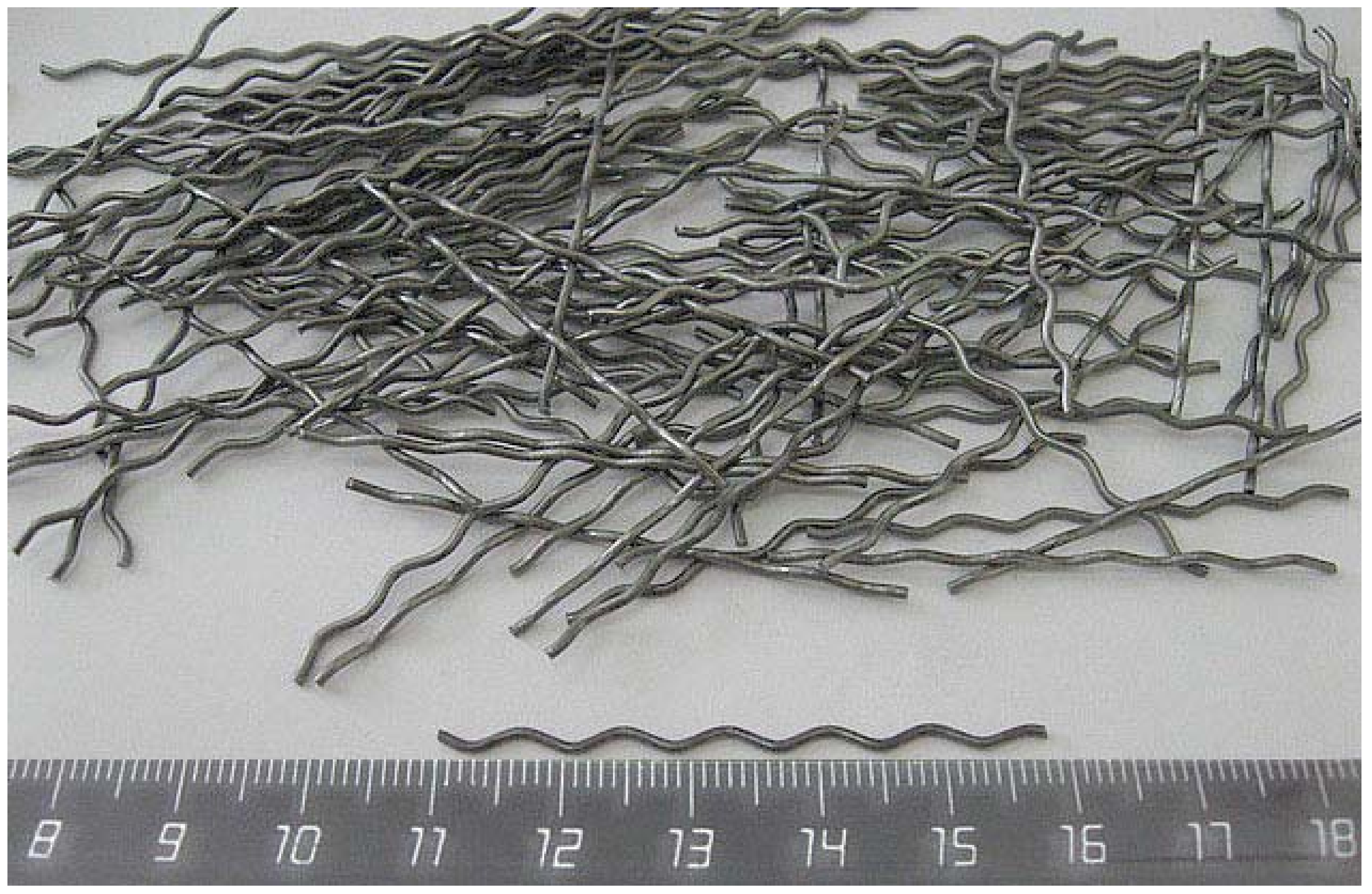
More than reinforcement.
A complete floor strategy.
Steel fibers are distributed throughout the concrete matrix rather than installed only at specific reinforcement levels. This allows fibers to interact with developing cracks and contribute to post-cracking behavior across the slab.
The practical benefit depends on the complete system. RAM ARBIA considers steel fiber together with loading, slab geometry, concrete properties, joint layout, placement, finishing and the operational requirements of the completed floor.
Performance that continues
beyond initial cracking.
SFRC is valued because distributed fibers can contribute after cracks begin to develop, supporting load redistribution and improved toughness when the floor is properly designed.
Fibers crossing cracks can continue contributing to the behavior of the slab.
Distributed fibers can help control crack development and crack opening.
Reinforcement distributed through the concrete supports transfer of forces across local cracking.
SFRC can improve floor behavior in environments exposed to repeated impact.
The complete floor system can be optimized for demanding industrial use.
Improved structural behavior can support reduced repair requirements over the service life of the floor.
One material.
Multiple project benefits.
Steel fiber should not be evaluated only by compressive strength. Its value can extend across structural performance, construction workflow, daily operations and the long-term lifecycle of the floor.
Reinforcement that works
throughout the concrete.
When correctly designed and distributed, steel fibers can improve the toughness and post-cracking performance of concrete floors exposed to demanding structural and operational conditions.
Fibers can continue transferring forces after local cracking occurs.
SFRC can improve the behavior of concrete under bending when appropriately designed.
The slab can absorb greater deformation before complete loss of load transfer.
Fibers distributed across the concrete can help limit crack opening.
Distributed reinforcement helps the surrounding slab respond to local stresses.
Steel fiber can support improved behavior under repeated industrial impact.
Less reinforcement handling.
More efficient floor construction.
In engineered SFRC designs, distributed fiber reinforcement may reduce part of the conventional mesh or bar reinforcement normally installed within a slab. The actual reinforcement strategy remains project-specific.
Floors designed for
demanding daily use.
Industrial floors experience continuous forklift traffic, concentrated loads, equipment movement and repeated impact. SFRC can form part of a floor system developed specifically around those operational demands.
Evaluate the floor
beyond initial construction.
A flooring decision should consider not only initial installation cost, but also service life, maintenance, operational disruption and repair requirements. Properly engineered SFRC can contribute to value across the full floor lifecycle.
Advantages are not automatic.
They must be designed.
Steel fiber alone does not guarantee a high- performance floor. The final result depends on fiber selection, dosage, concrete properties, slab geometry, loading, joint strategy, placement, finishing and curing.
Geometry and anchorage influence how fibers interact with hardened concrete.
Quantity should be determined from structural and operational requirements.
Workability and material properties affect distribution and finished floor quality.
Thickness, loading and support conditions remain fundamental to floor performance.
Joint layout must work together with the reinforcement and operating floor.
Mixing, placement, finishing and curing directly affect the completed floor.
Built for floors
with real operational demands.
SFRC can be considered where concrete floors are expected to carry demanding loads, intensive vehicle movement or long-term industrial use.
Warehouses
Logistics Centers
Industrial Facilities
Manufacturing Plants
Heavy-Duty Pavements
Parking & Garage Floors
The benefit must match
the project requirement.
SFRC should be selected because it solves a defined flooring requirement — not simply because steel fiber is available. The final solution should be based on engineering, operations and construction methodology.
From engineering decision
to finished floor.
The advantages of steel fiber are realized through a coordinated workflow linking floor requirements, structural design, material selection and controlled construction.
Assess
Understand loads, traffic and operational requirements.
Engineer
Develop slab, reinforcement and joint strategy.
Select
Determine the appropriate fiber characteristics and dosage.
Mix
Achieve controlled distribution within the concrete.
Construct
Place, level and finish the concrete floor.
Verify
Review the completed floor against project requirements.
Benefits depend on
disciplined execution.
Steel fiber creates the greatest value when engineering, materials and floor construction are coordinated as one system.