


LIQUID-APPLIED
POLYURETHANE MEMBRANE
RAM ARBIA provides liquid-applied polyurethane waterproofing membrane systems for roofs, terraces, balconies, decks and suitable concrete surfaces, creating a continuous waterproofing layer around complex geometry, penetrations and construction details through controlled substrate preparation and liquid membrane application.
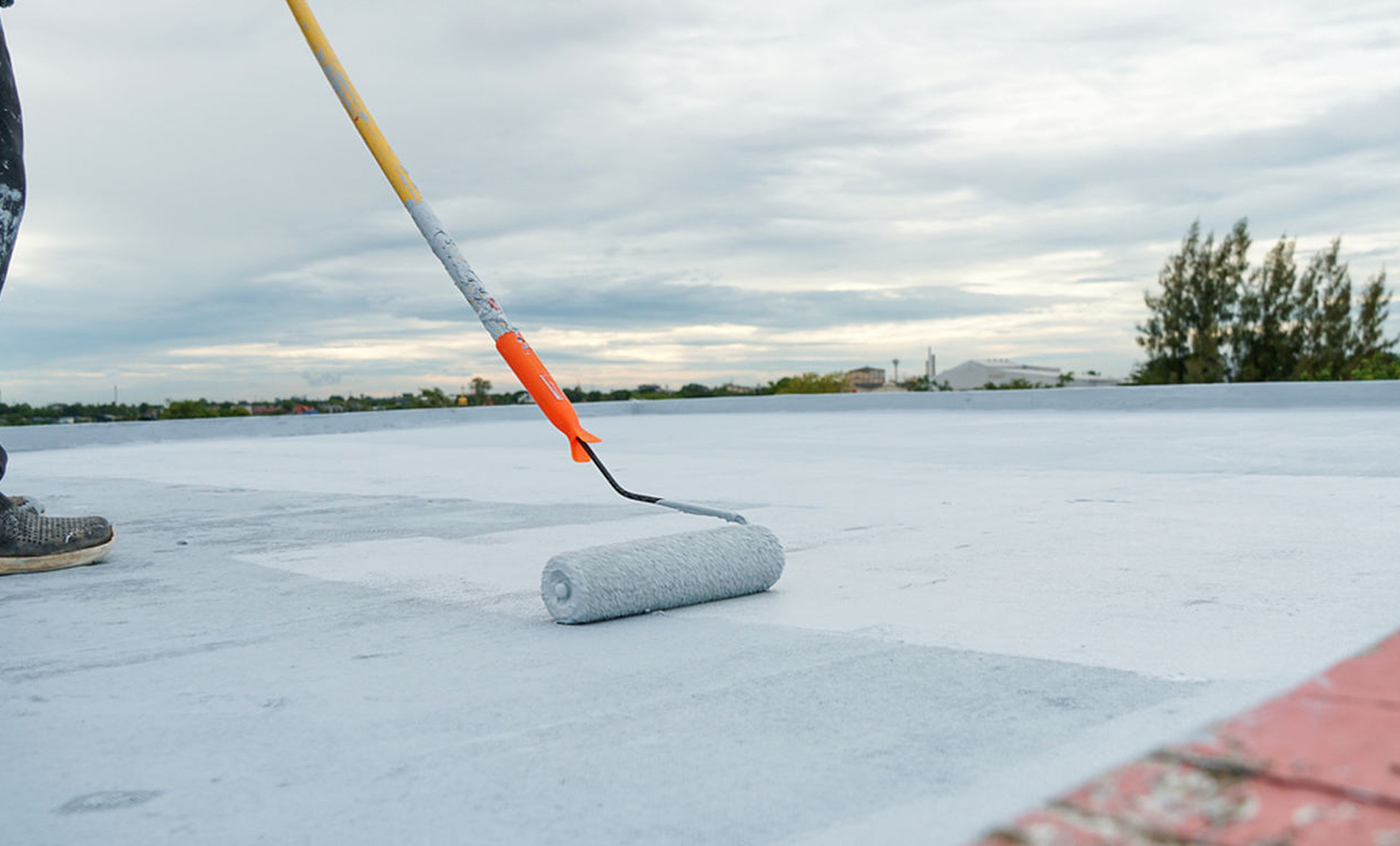
Apply as liquid.
Perform as membrane.
Polyurethane waterproofing membrane is applied in liquid form over a prepared substrate and cures to form a continuous protective layer conforming to the geometry of the surface.
RAM ARBIA approaches polyurethane membrane installation as a complete waterproofing system combining substrate assessment, preparation, compatible primers, detail treatment, membrane application and final inspection.
No sheet joints.
One continuous surface.
Liquid-applied polyurethane waterproofing creates a continuous membrane across the prepared surface and can accommodate complex roof and deck detailing without relying on conventional sheet overlaps.
Liquid application creates a continuous waterproofing surface without sheet seams.
Suitable polyurethane systems are installed without torch or open-flame application.
Selected polyurethane systems provide elastic waterproofing performance.
Liquid application can follow penetrations, upstands and changes in geometry.
Suitable systems may accommodate limited substrate cracking within their specified performance range.
Compatible systems can support future maintenance and recoating where required.
The membrane forms
directly on the surface.
Unlike sheet waterproofing, liquid-applied polyurethane is distributed directly across the receiving surface and cures in place. Depending on the selected product, application can be carried out by roller, brush, squeegee or suitable spraying equipment.
Liquid membrane for
complex building surfaces.
Polyurethane membrane systems can be used across different waterproofing applications, subject to substrate conditions and the selected product system.
Roof Waterproofing
Continuous liquid-applied waterproofing for suitable flat and sloping roof areas.
Terrace Waterproofing
Waterproofing protection for appropriate exposed and covered terrace areas.
Balcony Waterproofing
Liquid membrane systems for balcony slabs and detailed perimeter interfaces.
Deck Waterproofing
Protective waterproofing systems for suitable deck and podium applications.
Concrete Waterproofing
Continuous waterproofing over properly prepared concrete substrates.
Under-Tile Waterproofing
Selected systems may be installed beneath compatible tiled finishes.
Complex Detailing
Waterproofing around upstands, penetrations, corners and transitions.
Inspection & Handover
Review of the completed waterproofing system before final handover.
Liquid waterproofing follows
every surface condition.
Because the membrane forms directly over the substrate, surface quality has a direct effect on the final waterproofing system. Preparation must be appropriate to the substrate and the selected polyurethane product.
Complex geometry without
conventional sheet seams.
Liquid-applied waterproofing forms directly across the roof or deck surface, allowing the system to continue around suitable penetrations, upstands and detailed interfaces.
Liquid does not mean
details become automatic.
Critical areas may require additional preparation or reinforcement depending on the specified waterproofing system. Particular attention should be given to transitions, joints, penetrations and changes in geometry.
Controlled application
across the complete surface.
Application technique depends on the selected polyurethane membrane product and project conditions. Suitable liquid systems may be distributed by roller, brush, squeegee or airless spray according to manufacturer guidance.
Exposed or covered depends
on the selected system.
Some polyurethane waterproofing systems are designed for exposed roof applications while others form part of a protected system below tiles, toppings or other finishes. UV exposure and topcoat requirements therefore depend on the specified product system.
Waterproofing for surfaces
with complex details.
Liquid polyurethane membrane can be considered for suitable waterproofing areas according to substrate, exposure and specified system.
Flat & Sloping Roofs
Balconies
Terraces
Podium & Deck Areas
Concrete Surfaces
Complex Roof Details
Select the PU membrane
around the application.
Polyurethane waterproofing systems vary in formulation and build-up. Selection should be based on the substrate, exposure, intended finish, detailing requirements and overall waterproofing strategy.
From surface preparation
to seamless waterproofing.
Liquid polyurethane waterproofing requires disciplined preparation and controlled application across the full surface and every critical detail.
Assess
Review substrate condition and waterproofing requirements.
Prepare
Clean, repair and prepare the receiving surface.
Prime
Apply the compatible primer where required.
Detail
Treat penetrations, corners and critical interfaces.
Apply
Apply the selected liquid polyurethane membrane system.
Inspect
Verify membrane continuity and completed detailing.
Seamless waterproofing
still depends on preparation.
Liquid membrane performance comes from the complete system: substrate preparation, compatible products, controlled application and correct detailing.