


PVC ROOFING
MEMBRANE SYSTEMS
RAM ARBIA provides PVC single-ply roofing membrane systems for flat and low-slope roofs, integrating membrane installation, roof insulation, attachment, heat-welded seams, flashing and detailing around parapets, penetrations and rooftop equipment.
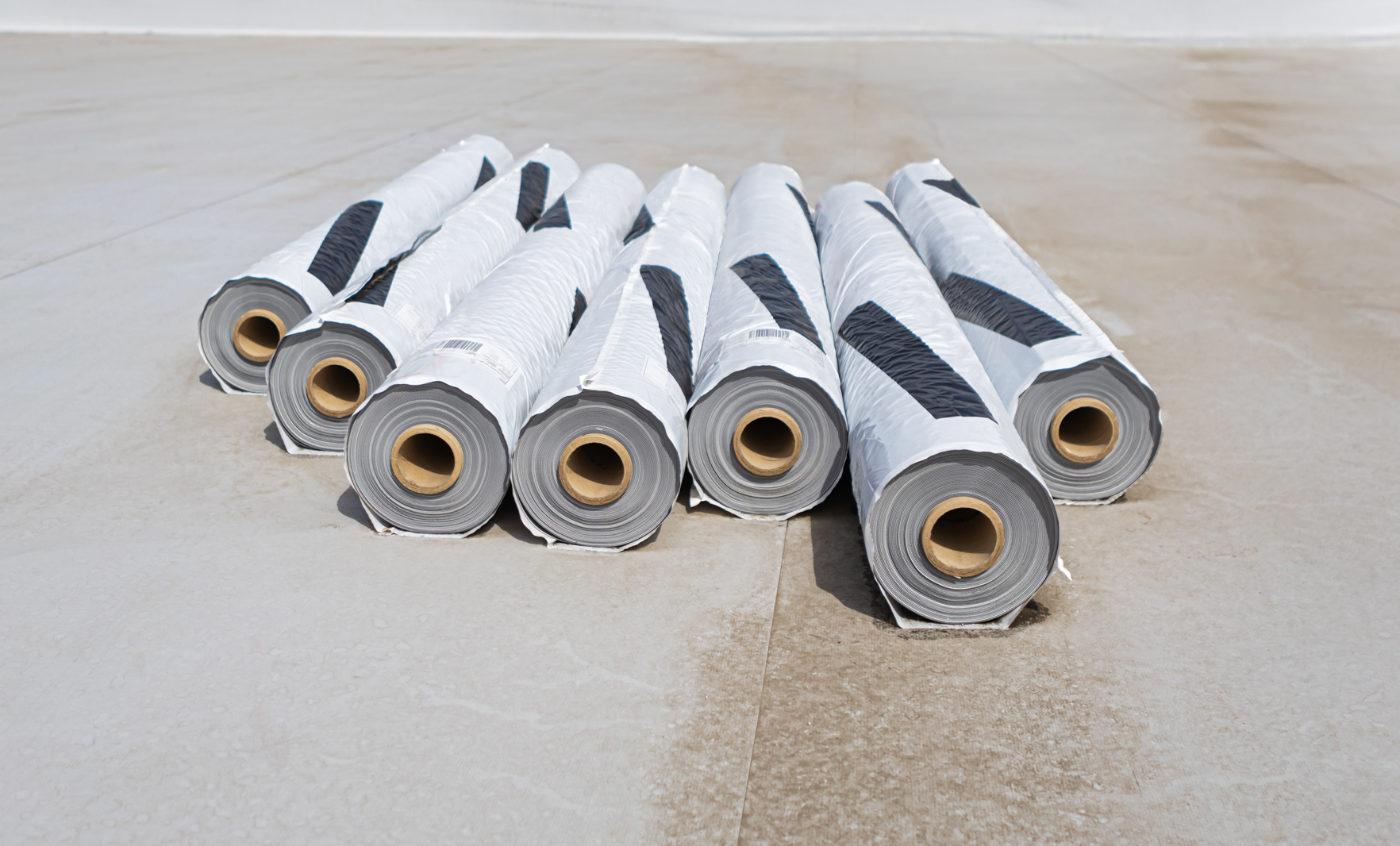
Waterproofing built
across the entire roof.
PVC roofing uses thermoplastic membrane sheets installed across the roof surface to create a continuous waterproofing layer. Adjacent membrane sheets are joined to form the completed roofing surface.
RAM ARBIA approaches PVC membrane installation as a complete roof system incorporating the roof deck, insulation, membrane attachment, seams, flashing and penetration detailing.
The membrane protects.
The system makes it perform.
PVC roofing performance depends on membrane selection, substrate preparation, attachment, seam quality and correct detailing at roof interfaces and penetrations.
The membrane forms the primary waterproofing layer across the roof.
Adjacent thermoplastic membrane sheets can be joined using controlled hot-air welding.
PVC membrane systems can follow roof geometry and detailed interfaces.
The roofing membrane protects the underlying roof construction from exposure.
Membrane systems integrate with insulation, fasteners, adhesives and roof details.
Roof detailing and accessible interfaces support future inspection and maintenance.
A PVC roof is more
than one membrane layer.
The waterproof membrane operates as part of a wider roof assembly. Deck condition, insulation, attachment strategy, membrane seams and perimeter details all influence the finished roof.
Different membrane formats.
Different roof requirements.
The existing RAM ARBIA service identifies standard reinforced PVC, PVC KEE and fleece-backed PVC as available membrane configurations for different roofing applications.
Standard PVC Membrane
Reinforced single-ply PVC roofing membrane used as the main waterproofing surface within suitable mechanically attached or adhered roofing systems.
PVC KEE Membrane
PVC membrane incorporating KEE technology where specified, providing an alternative membrane formulation for selected roof performance requirements.
Fleece-Backed PVC
PVC roofing membrane incorporating a fleece backing for compatible adhered roof assemblies and selected substrate conditions.
Secure the membrane
around the roof system.
PVC membrane attachment depends on the selected system, roof construction, substrate and project requirements. Common approaches include mechanically attached and adhered systems.
Membrane sheets become
one roofing surface.
PVC is a thermoplastic roofing membrane. Adjacent membrane sheets can be joined by controlled hot-air welding to form continuous seams across the roof system.
Waterproofing and insulation
work as one roof assembly.
PVC roofing membrane is installed as part of a roof build-up. Insulation selection and thickness should respond to project design, roof construction and required thermal performance.
Roof performance is decided
at the difficult details.
Parapets, penetrations, HVAC equipment, drains, corners and transitions interrupt the main roof field and therefore require deliberate membrane flashing and detailing.
The finished membrane starts
with the roof beneath it.
Roof condition and substrate preparation should be reviewed before membrane placement. Weak areas, incompatible surfaces and roof details must be addressed before the waterproofing layer is completed.
Single-ply roofing for
large building envelopes.
PVC roofing membrane can be considered for suitable flat and low-slope roof applications across different building types.
Industrial Buildings
Warehouses
Commercial Buildings
Institutional Buildings
Flat Roofs
Low-Slope Roofs
Select the membrane system
around the roof.
The appropriate PVC roofing configuration depends on the roof deck, insulation, attachment strategy, roof geometry, exposure and project-specific performance requirements.
From roof assessment
to finished membrane system.
PVC roofing installation requires controlled preparation, sheet placement, attachment, seam welding and final detailing.
Assess
Review roof deck, geometry and project requirements.
Prepare
Prepare the roof substrate and supporting layers.
Position
Lay out membrane sheets and roof details.
Attach
Secure the membrane using the selected attachment system.
Weld
Complete membrane seams and detailed connections.
Inspect
Review seams, flashing and completed roof details.
A reliable PVC roof
depends on every detail.
Waterproofing performance comes from the relationship between roof preparation, membrane attachment, seams and detailing.